Why I Serve: From Coal Country to Public Service

No Comments

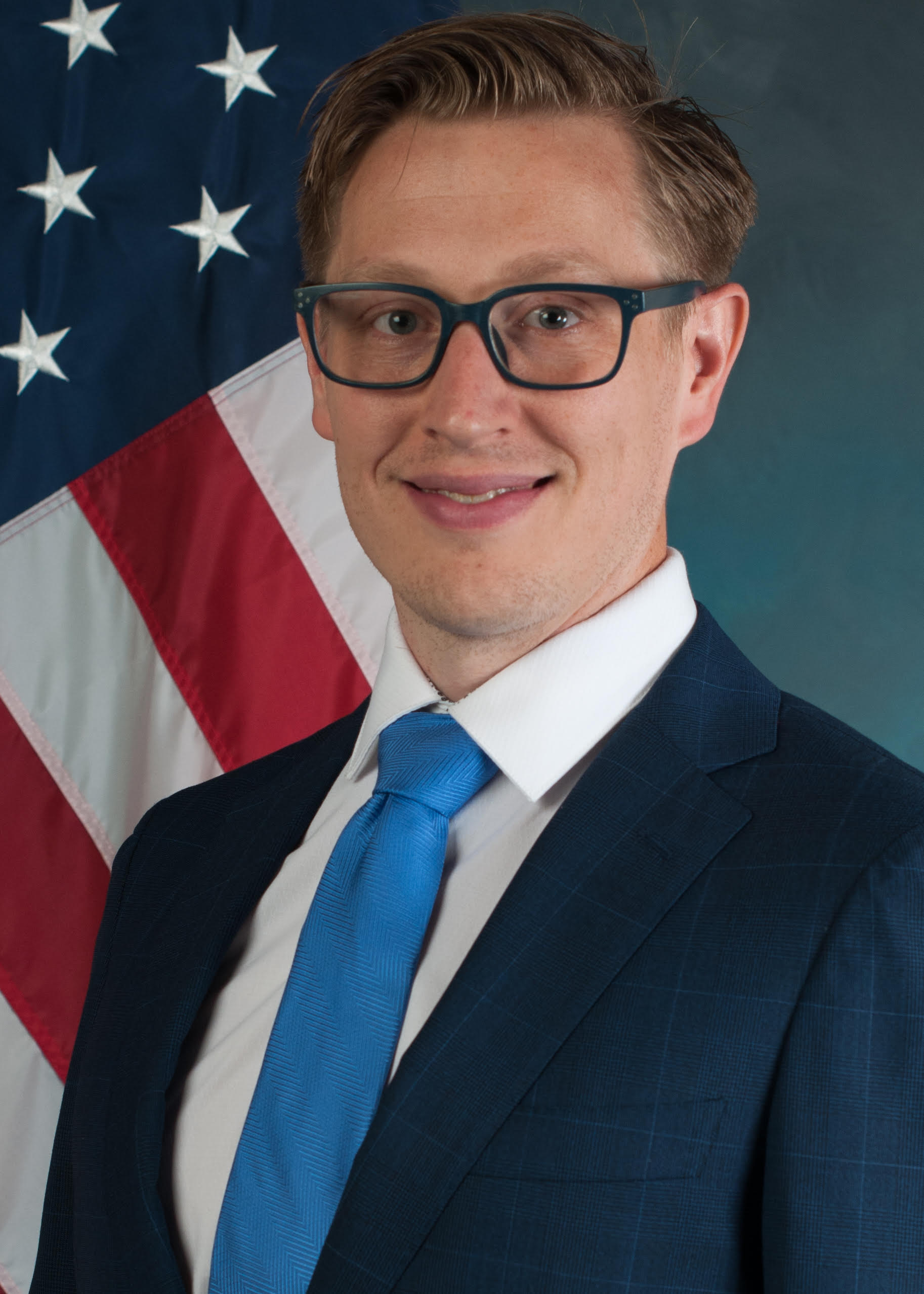
When people think about public administration, they often think about government offices, regulations, budgets, and policies. While those are certainly important parts of the profession, my experience has taught me that public administration is ultimately about people. It is about ensuring that workers return home safely to their families, that communities remain strong, and that Government fulfills its responsibility to serve the public good.


I currently serve as a Mine Safety and Health Inspector with the Mine Safety and Health Administration (MSHA), an agency within the U.S. Department of Labor. MSHA’s mission is to prevent death, illness, and injury from mining and promote safe and healthful workplaces for America’s miners. Every inspection, investigation, health survey, and enforcement action supports that mission. The work often takes place far from public view, but its impact is measured in lives protected, injuries prevented, and families kept whole.


For me, this work is deeply personal.


I was raised in southern West Virginia, where coal mining is woven into the identity of our communities. Mining is more than an industry in Appalachia. It has shaped our towns, schools, churches, and families for generations. Many of us grew up knowing miners, working alongside miners, or having family members whose livelihoods depended on the mines.


My connection to mine safety began long before I ever became an inspector. My grandfather worked for MSHA and spent his career helping protect miners throughout the region. Growing up, I heard stories about inspections, accident prevention, and the responsibility that comes with ensuring workplace safety. I did not fully appreciate it at the time, but those conversations were my first introduction to public administration in action. My grandfather showed me that
Government could make a direct and meaningful difference in people’s lives. He demonstrated that public service was not simply a profession—it was a calling.


That legacy eventually inspired me to pursue a career with MSHA myself.


I entered federal service through the Pathways Program, which provides opportunities for students and recent graduates to begin careers in public service while developing the technical knowledge and practical experience necessary to succeed. The program allowed me to combine my academic background, interest in public policy, and commitment to worker safety into a career that directly serves the public.


A defining moment in that journey was attending the National Mine Health and Safety Academy in Beckley, West Virginia. Located just miles from where I grew up, the Academy serves as the central training facility for federal mine inspectors and mine safety professionals from across the nation. It is responsible for training the next generation of inspectors who will carry out the mission of the Mine Act, the Miner Act, and protect miners in every mining region of the country.

As a member of the Mine Training Technician Program, I spent months immersed in training that covered every aspect of mine safety and health for metal/nonmetal and coal mines. The Academy’s curriculum includes inspection procedures, accident prevention, investigations, industrial hygiene, emergency response planning, mine technology, and management techniques. Students train in simulated underground mines, specialized laboratories, and hands-on environments designed to prepare inspectors for real-world conditions.


The training was demanding, but it reinforced something important: mine safety is about far more than enforcing regulations. Effective inspectors must understand mining operations, recognize hazards, communicate effectively, and build credibility with miners and operators. The goal is not simply to identify violations. The goal is to prevent accidents before they occur.


Graduating from the National Mine Academy remains one of the proudest moments of my career. Standing alongside fellow graduates from across the country, I realized that we were joining a long tradition of public servants dedicated to one purpose: ensuring that every miner has the opportunity to return home safely at the end of the day. It was especially meaningful knowing that I was continuing a legacy that my grandfather had helped build decades earlier.


My commitment to mine safety was further shaped by one of the defining events in modern Appalachian history: the Upper Big Branch Mine disaster.


Like many people in southern West Virginia, I lived near the communities affected by the tragedy. On April 5, 2010, an explosion at the Upper Big Branch Mine claimed the lives of twenty-nine miners and became the deadliest U.S. coal mining disaster in nearly forty years. For people outside the region, it was a major news story. For those of us who lived here, it was deeply personal.


The effects of the disaster extended far beyond the mine itself. Families lost fathers, sons, brothers, and friends. Churches held memorial services. Schools supported grieving children. Entire communities mourned together. In southern West Virginia, it often seemed that everyone knew someone who was connected to Upper Big Branch.


The tragedy served as a painful reminder that behind every safety standard, every inspection, and every regulation is a human story. Safety requirements do not exist because someone decided to create more paperwork. They exist because previous generations paid a terrible price for lessons learned through injury, illness, and loss of life.


That lesson stays with me every time I enter the mine.


When I conduct an inspection today, I am not simply evaluating compliance with federal regulations. I am helping ensure that history does not repeat itself. Every citation issued, every hazard corrected, and every conversation about safety has the potential to prevent an injury or save a life.


One of the most meaningful aspects of my work is that success is often invisible.

When a hazard is corrected before an accident occurs, there is no headline. When equipment is repaired before it fails, no one outside the operation may ever know. When ventilation systems function properly, when miners receive appropriate training, or when health hazards are addressed before workers become sick, those successes rarely attract public attention.


Yet these preventative outcomes represent public administration at its very best.


The public often notices the government when something goes wrong. As public servants, however, much of our work is dedicated to ensuring that things do not go wrong in the first place. Whether it is a mine inspection, a public health program, an emergency management plan, or infrastructure maintenance, successful public administration often means preventing problems that never become visible to the public.


This perspective became even clearer during my graduate studies.


While serving with MSHA, I completed a Master of Public Administration at Marshall University. My studies exposed me to the broader field of public service and helped me understand how mine safety fits into the larger mission of government. Courses in public management, ethics, organizational leadership, budgeting, policy analysis, and governance reinforced what I was seeing in the field every day: effective government creates public value.


My education also strengthened my belief that public service requires both technical competence and human understanding. Data matters. Technology matters. Regulations matter. But none of those things are the mission themselves. They are tools that help us serve people more effectively.


That lesson has become increasingly important as Government enters an era defined by rapid technological change. I have a strong interest in emerging technologies, artificial intelligence, data analytics, and innovation in public administration. These tools have tremendous potential to improve decision-making, enhance safety, and increase government effectiveness. However, technology should never replace the fundamental human purpose of public service.


Whether using advanced analytics or conducting a mine inspection, the mission remains the same: protecting people and improving lives.


Outside of my federal service, I have continued to seek opportunities to contribute to the broader public service community. Through my involvement with the American Society for Public Administration, Young Government Leaders, and AFGE Local 3181, I have had the opportunity to connect with public servants from across the country who share a common commitment to service.


Recently, I was honored to be selected as the Local Y.O.U.N.G. Coordinator for AFGE Local 3181, helping engage the next generation of federal employees and public servants. The role focuses on leadership development, inclusion, mentorship, and ensuring that younger workers have opportunities to contribute their ideas and perspectives to the future of public service.

These experiences have reinforced something I have come to believe strongly: the future of public service depends on our ability to prepare the next generation of leaders while preserving the values that have guided previous generations.
If there is one lesson I would share with future public servants, it is this: never lose sight of the people behind the policy.


Every regulation affects a worker.


Every budget affects a family.


Every decision affects a community.


The best public servants understand both the technical and human dimensions of their work.


They pursue excellence in their profession while remaining grounded in empathy, integrity, and
service.


My journey—from growing up in the coalfields of southern West Virginia, to following in my grandfather’s footsteps at MSHA, to attending the National Mine Academy, earning an MPA, and serving miners across the region—has taught me that public administration is ultimately about stewardship.


We inherit institutions built by those who came before us. We learn from the successes and failures of the past. And we carry a responsibility to leave those institutions stronger than we found them.


That is why I serve.


I serve because every miner deserves to return home safely.


I serve because strong communities depend on effective public institutions.


I serve because public service can make a real difference in people’s lives.


And I serve because the lessons learned through generations of sacrifice, including tragedies like Upper Big Branch, must never be forgotten. Through vigilance, professionalism, and a commitment to service, we honor those lessons and help build a safer future for the communities we call home.

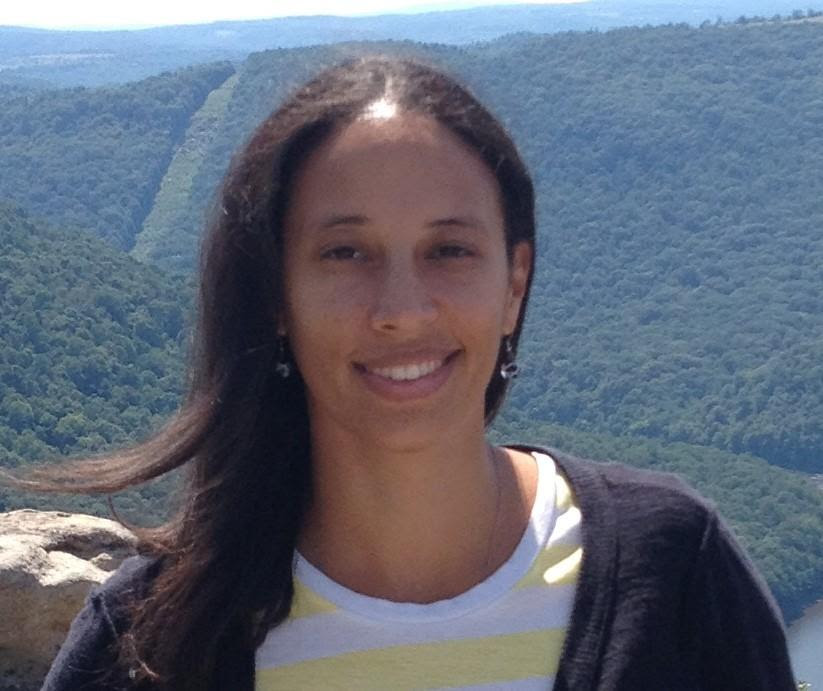
Lashae Lambert (State Government)

I am the DEI Policy and Implementation Strategist at the Department of Medical Assistance Services for the Commonwealth of Virginia. My job is to ensure that all aspects of public health, regarding the Medicaid community, is done through an equity lens, and that our internal agency structure and culture reflects equitable practices. From ensuring that information is accessible to everyone (e.g. Are the materials written in the members native language? Is there a non online option for those who do not have internet?), to strategically planning covid-19 vaccination clinics around the commonwealth that members can transport to even if they do not have a personal vehicle. Additionally, I focus on internal equity solutions to assist my agency with implementing equitable practices from within.
Equity is at the core of society’s well being. We understand that not everyone starts at the same place in life, and it is important to assist and elevate those who have been given a rough start, an unfair disadvantage, or have fallen on hard times. In relation to healthcare, giving all Virgininans the opportunity to have their social determinants of health needs met is an act of public service not just for those receiving assistance, but for the commonwealth as a whole. A healthy community is a prosperous community.
Outside of my career in state government I continue my public service in the world of pageantry. I am the current USOA’s Ms. Capitol Hill and will be competing for Ms. District of Columbia this fall. My platform is advocacy for Domestic Violence, Sexual Assault and Sex Trafficking survivors. My focus is to bridge the gap between policy /legislation and a survivors road to recovery. I am focusing on ways in which we can bring awareness to these issues, establish intervention and prevention pathways , and establish legislation that will protect survivors.
I’m happy to meet new people so feel free to connect with me on LinkedIn.

Natalie Donahue (Federal Government)

My name is Natalie Donahue and I am the Chief of Evaluation in the Bureau of Educational and Cultural Affairs (ECA) at the U.S. Department of State.
In my spare time I also serve as the Membership Chair for the Washington Evaluators (the American Evaluation Association’s DC region local affiliate organization) and teach public policy courses for The Ohio State University (my alma mater).
I lead an incredible staff of Monitoring and Evaluation Specialists in measuring and evaluating the effectiveness and long-term outcomes of ECA’s exchange programs through conducting complex analyses and evaluations, monitoring our programs, and building the evaluation capacity of our colleagues and external partners. I am also responsible for coordinating ECA evaluation initiatives and policy within the Bureau and ensuring ECA’s evaluation efforts are aligned with Department of State and Congressional policies and priorities.
My team’s work provides a means to better understand where ECA programs are successful and where improvements can be made – all in the effort to ensure U.S. taxpayer dollars are being spent effectively. The data and analyses provided by my team’s efforts enable ECA program staff and senior leadership to assess performance and inform strategic planning at both the Bureau and individual exchange program levels. As our Bureau is dedicated to transparency and accountability, all evaluation reports are posted online so the American people are aware of and understand the effectiveness of ECA exchange programming.
It’s an exciting time for my team and I as we are now piloting our new Monitoring Data for ECA (MODE) Framework; our Bureau-wide monitoring system we collaboratively created with relevant stakeholders throughout 2019. This includes a strategy crosswalk of how ECA programs advance National Security Strategy priorities. You can find out more about the MODE Framework here.
I’m always happy to meet new people (particularly those with good book recommendations!) so feel free to connect with me on LinkedIn. I’d love to hear from you!

Steven Putansu, PhD (Federal Government)

I split my time as a public servant at the US Government Accountability Office (GAO); a professorial lecturer at American University; and a public management scholar. I try, as much as I can, to find connections between research and practice, and across academic fields and disciplines, to advocate for thoughtful development and use of policy knowledge in government decisions. This means finding a balance between often competing goals and working to ensure that considerations of the four pillars of economy, effectiveness, efficiency, and social equity are incorporated throughout decision making, policy implementation, strategic management, and evaluation processes.
I have been a dedicated public servant for over ten years. This role has given me the opportunity to generate and analyze evidence to support results-oriented policy and effective, efficient, and equitable governance. My methodological contributions have ensured rigorous technical standards in hundreds of GAO performance audits, helped provide policymakers with high-quality information for overseeing federal programs, and supported the best use of taxpayer dollars. I am so proud to be a part of the team at GAO, where I am surrounded by other dedicated and committed public servants working to improve federal government spending, processes, management, and outcomes. GAO has given me the opportunity to work in dozens of policy areas, and I am always excited to understand and try to find opportunities to improve federal programs across the spectrum of policy. That said, two of the contributions I am most proud of are 1) Evidence-Based Policy and 2) Policy Coherence.
I have supported many GAO engagements that have reviewed the use of strategic planning, performance management, evaluation, and evidence-based policy to support and improve decision making across the government. This has given me an appreciation for evidence that is sufficient and appropriate for different purposes, for the values and tradeoffs among different methodological approaches, and for the continued importance of ideological, interest, and institutional influence on decision making. This work helps ensure that federal programs generate and use strong evidence to support their decisions. It also gave me many important insights for my book, which assessed how policy knowledge works in concert with political factors in decisions about federal education policy.
Over the past ten years, GAO has built a body of work on fragmentation, overlap, and duplication (DOF, for short) in the federal government, and I have been lucky to be a part of this work for nearly the entire time. This work comprehensively looks at the effects of DOF – both positive and harmful – and thoughtfully considers how actions to reduce, eliminate, or better manage these areas can improve how government works. This body of work has led to over $400 billion in financial benefits for the federal government, and numerous non-financial improvements to the planning, coordination, and implementation of fragmented, overlapping, and duplicative programs.
There are many amazing public servants and academics on twitter! You can follow me at @steveputansu – then check out who I follow to find some real superstars!

Connie L. Berhane (Federal Government)

It gives me great pleasure to introduce myself. I am a Senior Management Analyst with over 20 years of Federal Civil Service. I currently work for the Department of the Army, Force Management Support Agency.
First, some fun facts about me. I love to travel!  My previous excursions were Aruba, Dominican Republic and Grand Turks and Caicos.  I was scheduled to cruise to Alaska in June of this year but Covid19 had its say….what a bummer! I enjoy spending time with family and friends, volunteering in my spare time and “chalking up” a few steps with Fitbit Workweek hustle! That’s how I exercise and it’s fun too!
As a Senior Management Analyst, I oversee diverse portfolios of Army organization structure and major systems for multiple Army Commands.  The products I provide are data driven, integrate manpower, personnel and equipment. I offer comprehensive leadership, management and technical guidance across organization management communities.
My agency plays a vital role in processes which establishes and resources mission-ready Army organizations and all elements of the Army Organizational Life Cycle Model that meets the Secretary of the Army’s statutory requirements to resource; maintain and station the Army.
We ensure the Army is efficiently and effectively organized, manned, equipped, trained, and sustained through delivery of our products. My work is very unique.  I am able to evaluate and apply organization designs and models that meet the critical needs of the Army. I am proud to serve as a member of the Army team and Institution.
It has been a pleasure sharing a few tidbits about me!  I can be reach reached at clberhane@gmail.com or connect with me on LinkedIn.

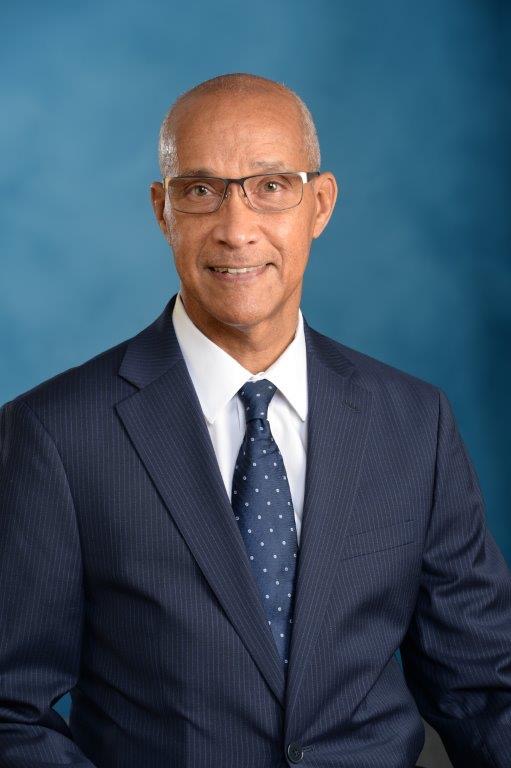
Arthur Elkins (Local Government)

My name is Arthur Elkins and my employer is the Washington Suburban Sanitary Commission (WSSC). I serve in the role of Inspector General at WSSC.
As the independent Inspector General for WSSC, I provide leadership to a team of auditors, investigator, legal counsel and support staff whose mission is to assist WSSC with recommendations designed to enhance programmatic and operational efficiencies and effectiveness, compliance with relevant laws, regulations, and policies that support and advance WSSC’s mission to provide safe and reliable water to our environment in an ethical, sustainable, and financially responsible manner.
Our independent work provides a means for transparency, accountability, and assurance to WSSC rate payers, who are citizens of Montgomery and Prince George’s Counties Maryland, that their funds are being used as intended by State law, regulations, and policies.
I can be reached at a564e@msn.com or via LinkedIn.

Nawras Taffal (Federal Government)

I am a leader with a strong engineering and public administration background, and executive skills that when put to use can make things happen. I have a passion for success and believe strongly in honesty, integrity, hard work, commitment to work and core principles. I’m a strong leader, a talented engineer, and a problem solver with strong interpersonal skills.

I hold a Bachelor of Science degree in Civil Engineering from The State University of New York at Buffalo, a Certification in Management & Executive Negotiation from Massachusetts Institute of Technology, and Master of Public Administration at George Mason University.

I am the Founder and CEO of Young Engineers of America (YEA). I also work at the Department of Defense as a Civil Engineering Project Manager, and I bring about 8 years of professional experience in engineering, public administration, and executive management. I am also the current director at the National Capital Chapter of the American Concrete Institute (ACI), and a membership champion at the American Society of Civil Engineers (ASCE).

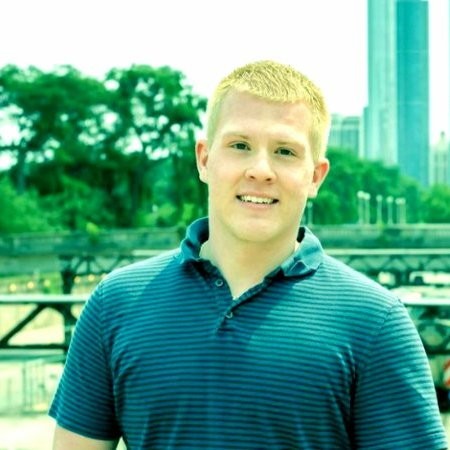
Chris Harrington (Local Government)

Budget and Management Analyst, Dept. of Finance, City of Baltimore

I currently work for the City of Baltimore in the Department of Finance as a Budget and Management Analyst. Before coming to Baltimore, I spent nearly three years leading government affairs for a statewide advocacy organization in Connecticut.

As a Budget and Management analyst I am responsible for guiding eight agencies through the City’s outcome based budgeting process. Additionally, Baltimore is nationally recognized for its fiscal responsibility and budgetary prowess. I assist my portfolio of agencies in financial planning during the current fiscal year to ensure that operational goals are effectively met and resourced. Finally, I also identify and implement managerial and procedural changes to make City government work more efficiently.

Outside of my work with the City, I am researching and developing a public health toolkit, which is designed to integrate explicit considerations of public health in decisions including policies, practices, programs, and budgets. Too often, policies and programs are developed and implemented without thoughtful consideration of public health outcomes. When public health is not explicitly brought into operations and decision-making, poor public health outcomes are likely to be perpetuated.

The problems that our world faces are becoming increasingly more complex. In trying to solve these problems, I help government to understand how the financial and administrative decisions they make today can impact the people they serve years down the road. Our current environment is the sum of all the decisions that were made before us. It is our responsibility to do everything that we can to better our present and future.

I look forward to connecting with more ASPA-NCAC members. Feel free to reach out to me through my LinkedIn profile, or email me at Christophereharrington@gmail.com

Isaac White (Federal Government)

Systems Analyst, USDA Animal and Plant Health Inspection Service (APHIS)

I decided on a career in public administration while serving as an Army combat medic in Iraq. I witnessed some of the outcomes that policy decisions produce and became interested in the processes that generate decisions of such consequence. After undergraduate studies in political science and economics at Edinboro University, I began working for the Social Security Administration. I started with SSA as a claims representative processing disability, retirement, and survivors applications and later moved into the IT department as a systems analyst.

Last year, while completing my MPA degree at Arkansas State University, I transferred to my current position with the Animal and Plant Health Inspection Service within USDA. As a systems analyst, I conduct a wide range of duties including business process analyses, systems evaluations, capital and resource planning, and project management. The task consuming most of my time lately is serving as the project manager for an application being developing internally for agricultural inspectors at our nation’s ports. When completed, the application will provide a simplified method for obtaining regulatory guidance regarding which commodities can be granted entry into the country and under what conditions.

My project is just one of many at the agency with the goal of protecting American agriculture by preventing and controlling the spread of invasive species. Pests such as the Spotted Lanternfly, which is currently threatening fruit crops and trees in southwestern Pennsylvania, threaten our food supplies and can cause billions of dollars in damage if left uncontrolled.

I look forward to connecting with more ASPA-NCAC members. Feel free to reach out to me through my LinkedIn profile, or chat with me at the next chapter event!